

Quick Summary: Lawn pest control in Cape Coral starts with diagnosis, not spraying. A technician identifies whether chinch bugs, sod webworms, fire ants, or a fungus problem is behind your brown patches, then treats the actual cause with a plan built for St. Augustine grass in Southwest Florida’s heat and humidity. Most lawns are inspected and treated quarterly, though an active infestation is treated the day it’s found.
A Brown Patch Doesn’t Tell You What’s Wrong. That’s the First Job.
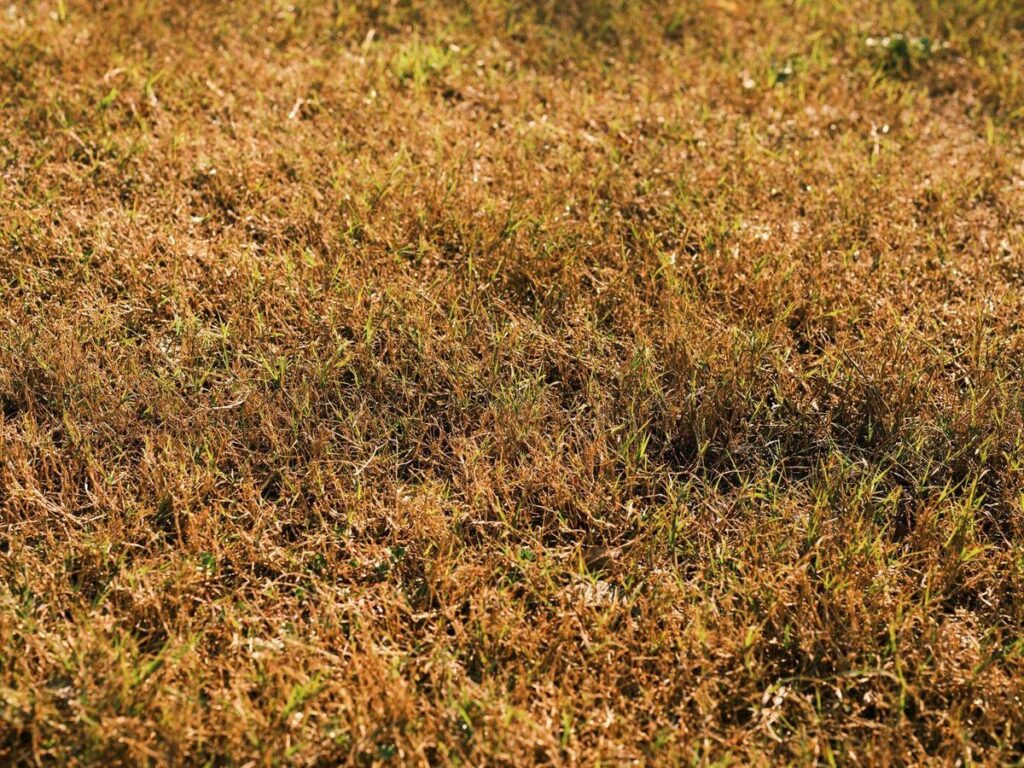
You noticed the patch a week or two ago. It hasn’t gotten better, and now it’s bigger. The instinct is to grab a bag of something from the hardware store and spread it before the weekend. The problem is that four completely different things cause the same brown patch in a Cape Coral lawn, and treating the wrong one wastes money and buys the real problem another two weeks to spread.
Chinch bugs feed by piercing the base of the grass blade and draining it, so the damage looks like drought stress, usually starting near a sidewalk, driveway, or anywhere heat reflects. Sod webworms are caterpillars that feed at night, so the damage shows up as thinning and chewed blade tips rather than one dead patch. Fire ants build mounds that kill the grass directly underneath them. And a fungus problem, most often brown patch disease, produces a ring-shaped or circular dead zone that has nothing to do with insects at all.
A technician who inspects your yard as part of a proper lawn pest control service can tell these apart in a few minutes by checking the soil at the edge of the damage and looking at how the pattern is spreading. Guessing from the driveway cannot. This is the part of lawn pest control that actually determines whether the treatment works.
Why Cape Coral Lawns Carry More Pest Pressure Than Most American Lawns
St. Augustine grass covers the large majority of lawns in Southwest Florida, and it is also one of the more chinch-bug-susceptible turf varieties grown anywhere in the country. Pair that with Cape Coral’s humidity and a rainy season that runs roughly June through September, and lawn pests here stay active across most of the year instead of a short spring-to-fall window. A lawn up north gets a hard freeze that kills pest activity back to nothing every winter. Cape Coral doesn’t get that reset.
Canal-front lawns carry an additional layer. Higher ambient humidity near the water and irrigation drawn straight from canal systems keep soil moisture elevated even between rain events, which is the kind of condition sod webworm moths favor when laying eggs. It’s a different pressure than what an inland lawn three streets back deals with, even though both are the same grass.
What Actually Happens During a Lawn Pest Control Visit
A real lawn pest control visit has four parts, in this order:
1. Inspection
The technician walks the property, checks the pattern and edges of any damage, and looks at thatch buildup and soil moisture, not just the grass surface.
2. Identification
The specific pest gets named. If it’s not obvious from the pattern, a sample gets pulled and checked, because chinch bugs, sod webworms, and fire ants each call for a different product and application method.
3. Targeted Treatment
The product and the placement match the pest. A chinch bug problem concentrated near the driveway doesn’t need the whole yard treated. This is where an Integrated Pest Management approach keeps the total chemical load on your lawn lower than a blanket spray would.
4. Follow-Up
Most Cape Coral lawns are checked and treated on a quarterly schedule. An active infestation doesn’t wait for the next scheduled visit. It gets treated as soon as it’s found.
Every product used is EPA-approved and chosen with the specific pest in mind, following the same pet-safe lawn pest control standards used on every visit, so treating the yard doesn’t mean keeping kids or dogs off it any longer than necessary.
The Pests We See Most Often in Cape Coral Lawns
Chinch Bugs
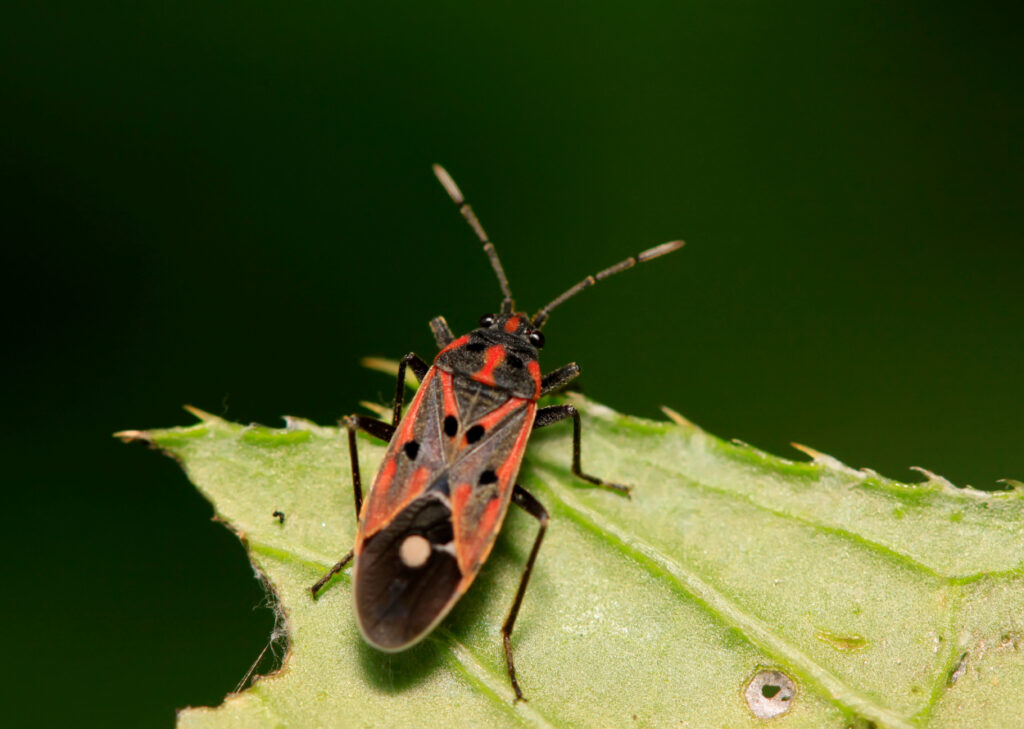
Small, roughly the size of a grain of rice, and the most damaging insect pest of St. Augustine grass in Florida. They inject a toxin while feeding that kills the grass tissue directly, which is why distinguishing chinch bug damage from a fungus problem matters before any product gets applied, since the patch can look like drought damage even when the sprinklers are running on schedule.
Sod Webworms
The caterpillar stage of a small brown moth. They feed at night and hide in the thatch during the day, so homeowners often notice the moths fluttering up when they mow before they notice the grass thinning underneath.
Fire Ants
Mound-building and aggressive, and a real hazard around kids, pets, and outdoor AC units. Their mounds are distinguishable from other ant activity by loose, fluffy soil with no visible entry hole in the center.
Mole Crickets
Tunneling insects that feed on grass roots just below the surface. Damage shows up as spongy, raised soil that gives underfoot, usually most active on warm nights during the rainy season.
What Lawn Pest Control Does Not Cover
It treats insects and the damage they cause. It does not replace fertilization, and it will not fix a lawn that’s browning because of an irrigation head that stopped working or a zone that’s overwatered. If an inspection points to fungus or a watering problem instead of a pest, that gets said directly, because treating a lawn for chinch bugs when the actual problem is brown patch disease or a broken sprinkler head doesn’t solve anything. It just delays the real fix.
Frequently Asked Questions
How Often Should My Lawn Be Treated for Pests in Cape Coral?
Most lawns here are inspected and treated quarterly, the same cadence we recommend for general pest coverage, which matches how fast pest pressure rebuilds in this climate compared to a shorter Northern growing season.
Will Lawn Pest Treatment Hurt My Grass or the Plants Around It?
Products are applied at the rate and in the location the specific pest calls for, not sprayed broadly across the whole yard. The grass and surrounding landscaping aren’t the target, and shouldn’t show any damage from a correctly applied treatment.
I Already Fertilize My Lawn. Do I Still Need Pest Control?
Yes. They solve two different problems. Fertilizer feeds the grass. Pest control stops something from eating it faster than it can grow back. A well-fertilized lawn under chinch bug pressure still develops brown patches because the feeding damage outpaces the growth.
Is Lawn Pest Control Safe With Dogs in the Yard?
Yes. What actually makes a treatment pet-safe comes down to the specific product chosen and how it’s applied, not marketing language like “eco-friendly” on its own.
If Your Lawn Has a Patch That Doesn’t Add Up
A brown patch that keeps spreading is worth a real inspection before it’s worth a second bag of store-bought treatment. Schedule a lawn pest inspection with Maximum Pest Control, or call (239) 317-6649. Cape Coral, family-owned, and built around this specific grass in this specific climate.
 5 Hidden Signs of Subterranean Termites Cape Coral Homeowners Shouldn’t Ignore (And What Happens If They Do)