
Key Takeaways: Protecting Your Cape Coral Home from Termites
- Professional termite inspections should be conducted annually in Cape Coral due to our region’s high termite pressure, with more frequent inspections recommended for high-risk properties.
- Combining professional treatments with homeowner vigilance provides the most comprehensive protection against termite damage in Southwest Florida’s challenging climate.
- Pre-construction termite prevention offers the most cost-effective protection for new homes, while existing structures benefit from layered approaches including chemical barriers, baiting systems, and physical modifications.
Protect Your Cape Coral Home from Termites with Professional Pest Management Techniques
Protecting your Cape Coral property from termite damage requires a comprehensive pest management approach tailored to Florida’s unique climate challenges. With over 30 years of experience serving Southwest Florida, we understand that effective termite prevention combines early detection, professional treatment, and ongoing maintenance. Termites cause over $5 billion in property damage annually across the United States, with Florida’s warm, humid climate creating ideal conditions for these destructive pests. This guide provides Cape Coral homeowners with professional, locally-focused termite prevention strategies to safeguard your most valuable investment against these silent destroyers.
Identifying Termite Threats in Cape Coral’s Unique Environment
Florida’s subtropical climate creates perfect conditions for termite activity, making homes particularly vulnerable to infestation. Understanding the specific termite threats in our region is the first step toward effective pest management in Cape Coral.
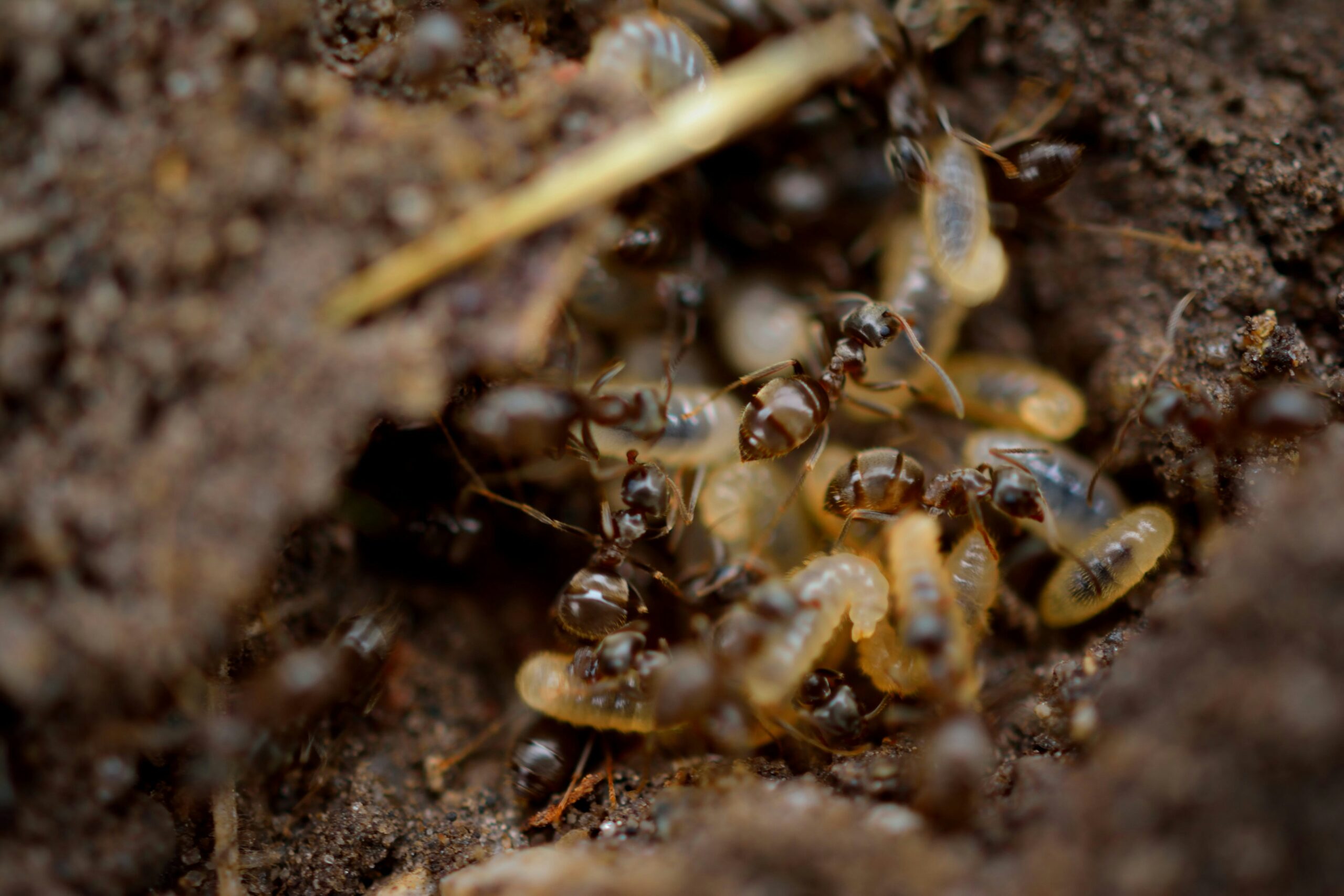
The most common termite species threatening Cape Coral properties include subterranean termites, drywood termites, and the particularly aggressive Formosan subterranean termites. Each species requires different identification techniques and treatment approaches. Subterranean termites build distinctive mud tubes along foundations and walls, while drywood termites often reveal their presence through small piles of pellet-shaped droppings called frass. Formosan termites, often called “super termites,” can cause extensive structural damage at an alarming rate due to their large colony sizes.
Early warning signs of termite infestation include hollow-sounding wood, damaged wood that appears crushed at structural joints, bubbling or uneven paint surfaces, and visible mud tubes about the width of a pencil. In Cape Coral’s climate, termites remain active year-round, though swarming activities typically peak during our warm, humid spring months when reproductive termites emerge to establish new colonies.
The pest control industry has developed sophisticated termite inspection technologies, including infrared cameras, moisture meters, and acoustic detection devices that can identify termite activity within walls without causing property damage. These integrated pest management tools allow our skilled technicians to detect infestations before they cause significant structural harm to your Cape Coral home.
Being familiar with these signs allows homeowners to participate actively in the pest prevention process, creating a partnership between residents and pest control professionals that results in more effective termite management and protection for your property.
Pre-Construction Termite Prevention Methods for New Cape Coral Properties
Implementing termite prevention measures during the construction phase provides the most comprehensive protection for new Cape Coral properties. Pre-construction termite prevention creates a protective barrier before termites have any opportunity to establish colonies within your new home.
Professional pre-construction soil treatments involve applying liquid termiticides to the soil beneath and surrounding foundations before concrete is poured. These treatments create a chemical barrier that either repels or eliminates termites attempting to enter the structure from below. For maximum effectiveness, these treatments should saturate the soil to a depth of at least four feet around foundations, plumbing penetrations, and other potential entry points. The pest management industry has developed long-lasting formulations specifically designed for Florida’s sandy soil conditions and high water tables.
Physical barriers represent another critical component of pre-construction termite prevention. Stainless steel mesh screens or crushed rock barriers can be installed beneath foundations to block termite entry. Additionally, treated wood products containing borate compounds provide built-in resistance to termite damage. These eco-friendly treatments penetrate deep into the wood fibers, creating an inhospitable environment for termites while remaining safe for families and pets.
Cape Coral’s building codes require termite protection for new construction, but savvy homeowners often opt for more comprehensive termite control measures than the minimum requirements. Consulting with experienced pest management professionals during the planning stages allows for customized prevention strategies tailored to your specific property characteristics and the local termite species prevalent in Lee County.
Pre-construction prevention represents a fraction of the cost compared to treating an established infestation and repairing structural damage. This proactive integrated pest management approach provides Cape Coral homeowners with long-term peace of mind and protection for their investment.
Effective Termite Prevention for Existing Cape Coral Homes
Protecting existing structures from termite infestation requires a multi-faceted pest control approach combining professional treatments, regular inspections, and homeowner vigilance. With Cape Coral’s year-round termite pressure, comprehensive protection is essential for maintaining your home’s structural integrity.
Professional liquid termite treatments remain the industry standard for creating protective barriers around existing homes. These treatments involve trenching around foundations and drilling through concrete slabs to apply termiticides that create a continuous protective zone. Modern termiticides offer several years of protection while using significantly lower concentrations of active ingredients than older formulations, making them safer for families, pets, and the environment. Our skilled technicians customize application methods based on your home’s construction type, foundation details, and the specific termite species threatening your property.
Termite baiting systems provide an alternative or complementary approach to liquid treatments. These systems use monitoring stations installed around the property perimeter that contain wood or cellulose material. When termite activity is detected, the stations are baited with growth regulators or slow-acting toxicants that foraging termites carry back to their colonies, eventually eliminating the entire population. This pest management method is particularly effective against subterranean termites, which are common throughout Cape Coral and Lee County.
Physical modification strategies also play a vital role in comprehensive termite prevention. These include removing wood-to-soil contact around the home, maintaining proper drainage to reduce soil moisture, ensuring adequate ventilation in crawl spaces, and removing cellulose debris from around foundations. Professional pest control experts can identify these risk factors during inspections and recommend specific modifications tailored to your property’s unique characteristics.
For maximum protection, many Cape Coral homeowners combine multiple prevention methods, creating layered defenses against termite invasion. This integrated pest management approach provides the most robust protection for existing structures in our challenging subtropical environment.
DIY Termite Prevention Techniques for Cape Coral Homeowners
While professional pest management provides the most comprehensive termite protection, informed homeowners can implement numerous DIY strategies to reduce their property’s vulnerability to infestation. These preventative measures complement professional treatments and help maintain a termite-resistant environment around your Cape Coral home.
Moisture control represents one of the most effective DIY termite prevention techniques. Subterranean termites require moisture to survive and are attracted to damp environments. Ensure proper drainage around your foundation by maintaining gutters and downspouts, grading soil away from the structure, and promptly repairing plumbing leaks. In Cape Coral’s humid climate, dehumidifiers in crawl spaces and proper ventilation in attics help maintain wood moisture levels below what termites find attractive. Regular inspection of irrigation systems to prevent overwatering near foundations also contributes to effective pest management.
Eliminating wood-to-ground contact is another critical DIY prevention strategy. Store firewood, lumber, and other wood products at least 20 inches above ground and 20 feet from your home’s foundation. Replace wood mulch near foundations with termite-resistant alternatives like rubber mulch, gravel, or pine straw. When landscaping, maintain at least a 6-inch gap between soil and any wooden structural elements or siding to create a visible inspection zone for early detection of termite activity.
Borate treatments provide homeowners with an effective, eco-friendly option for protecting accessible wood. Available as sprays or powders, these products can be applied to exposed wood in attics, garages, and crawl spaces. The borate compounds penetrate the wood and remain toxic to termites while posing minimal risk to humans and pets when properly applied. This integrated pest management approach is particularly effective for protecting new wood additions to existing structures.
Regular self-inspections around your property complement professional pest control services. Examine your foundation perimeter quarterly for mud tubes, damaged wood, or swarming termites. Pay special attention to areas where wood contacts soil, around plumbing penetrations, and in rarely accessed spaces like crawl spaces and attics. Early detection through vigilant monitoring remains one of the most valuable DIY termite prevention techniques for Cape Coral homeowners.
The Importance of Professional Termite Inspections in Cape Coral
Regular professional termite inspections provide Cape Coral homeowners with crucial early detection capabilities that can prevent costly structural damage. These thorough evaluations by skilled technicians represent a cornerstone of effective long-term pest management.
Industry standards recommend annual termite inspections for Cape Coral properties due to our region’s high termite pressure. However, homes with previous infestations, properties near water bodies, or those with significant landscaping may benefit from more frequent inspections. Professional pest control companies typically offer inspection services as standalone options or as part of comprehensive termite prevention programs that include treatment and monitoring components. These structured pest management programs provide the most consistent protection for your investment.
During a professional termite inspection, experienced technicians examine both the interior and exterior of your property, focusing on common entry points and high-risk areas. The inspection process includes examining foundations, crawl spaces, attics, window frames, door jambs, and areas with water damage or wood-to-soil contact. Technicians also inspect the property perimeter, looking for mud tubes, damaged wood, termite swarmers, or other signs of activity. Advanced tools like moisture meters, infrared cameras, and acoustic detection devices allow inspectors to locate termite activity that might otherwise remain hidden.
Following the inspection, you’ll receive a detailed report documenting findings, identifying risk factors, and recommending appropriate treatment or prevention measures. These reports serve as valuable documentation for real estate transactions and insurance purposes. In Cape Coral’s active real estate market, Wood Destroying Organism (WDO) inspections are frequently required during property sales, making regular inspections particularly valuable for maintaining your home’s marketability.
Professional inspections also provide an opportunity to assess the effectiveness of existing prevention measures and make adjustments as needed. This ongoing evaluation ensures your termite protection strategy evolves to address changing conditions around your property and advances in pest management techniques. With our 30 years of experience in Southwest Florida, our skilled technicians provide thorough inspections tailored to Cape Coral’s unique environmental challenges.
Eco-Friendly Termite Prevention Strategies for Cape Coral Properties
As environmental awareness grows, many Cape Coral homeowners seek effective termite prevention methods that minimize ecological impact while maintaining robust protection. The pest management industry has responded with innovative, eco-friendly approaches that align with our commitment to environmentally responsible practices.
Boric acid and borate-based products represent some of the most established eco-friendly termite prevention options. These naturally occurring minerals disrupt termites’ digestive processes and damage their nervous systems while posing minimal risk to mammals when properly applied. Professional-grade borate treatments can be injected into wood during construction or applied as surface treatments to existing structures. These products provide long-lasting protection without the environmental persistence of some conventional termiticides. For Cape Coral homeowners concerned about environmental impact, borate treatments offer an effective first line of defense in an integrated pest management program.
Beneficial nematodes provide a biological control option for termite prevention in landscaped areas around your property. These microscopic, soil-dwelling organisms actively hunt and kill termites and other pest insects without harming beneficial species. Applied as a soil drench around foundations and in gardens, nematodes establish themselves in the ecosystem and provide ongoing pest control. In Cape Coral’s warm climate, nematodes remain active year-round, making them particularly effective for our region. While not typically sufficient as a standalone treatment for structural protection, they complement other prevention methods in a comprehensive approach.
Essential oil-based treatments, particularly those containing orange oil (d-limonene), offer localized treatment options for drywood termites. These botanical extracts penetrate wood and dissolve the exoskeletons of termites on contact. While effective for spot treatments and limited infestations, they typically lack the residual protection of conventional treatments. Professional pest management companies increasingly offer these botanical options as part of their eco-friendly service lines, particularly for sensitive environments like homes with young children, elderly residents, or those with chemical sensitivities.
Physical barriers and building techniques that minimize termite vulnerability represent perhaps the most environmentally friendly prevention approach. Steel mesh barriers, sand barriers, and foundation designs that create physical obstacles to termite entry require no chemical applications while providing effective protection. When combined with vigilant monitoring and early intervention when necessary, these physical prevention methods form the foundation of environmentally responsible termite management for Cape Coral properties.
Creating a Termite-Resistant Landscape Around Your Cape Coral Home
Your landscaping choices significantly impact your property’s vulnerability to termite infestation. Strategic landscape design and maintenance create an environment less hospitable to termites while enhancing your home’s beauty and value. This integrated pest management approach complements structural protection measures.
Selecting termite-resistant plants represents a fundamental strategy for reducing termite attraction to your property. Species with natural termite resistance include many Florida-friendly options like bottlebrush, bird of paradise, citrus trees, and various palms. These plants contain natural compounds that deter termites or lack the cellulose content that attracts them. Native plants adapted to Cape Coral’s climate typically require less supplemental irrigation, reducing soil moisture levels that attract subterranean termites. Working with landscape designers familiar with termite-resistant species ensures beautiful grounds that don’t increase pest pressure on your home.
Proper mulch selection and application significantly impact termite risk. Wood mulches provide food sources and create moisture-retaining environments that attract termites. If using organic mulches, maintain a 12-18 inch gap between the mulch and your foundation, and keep mulch depth under 2-3 inches to promote drying between irrigation cycles. Alternatively, consider termite-resistant mulch alternatives like rubber mulch, gravel, pea stone, or pine straw, particularly in foundation plantings. These materials provide similar aesthetic and weed-suppression benefits without increasing termite attraction.
Irrigation management plays a crucial role in termite prevention. Configure sprinkler systems to direct water away from foundations, and install drip irrigation rather than sprayers when possible to reduce excess moisture. Automated systems should include rain sensors to prevent overwatering during Florida’s frequent rain events. Regularly inspect for and repair leaking irrigation components, particularly those near the home’s foundation. Proper drainage throughout the landscape, including French drains or swales in problem areas, prevents water accumulation that creates favorable conditions for subterranean termites.
Strategic hardscaping creates effective barriers between termite-friendly environments and your home. Consider installing termite-resistant paver patios, gravel pathways, or concrete features as transitional zones between lawns or gardens and your foundation. These non-cellulose barriers interrupt termite pathways and create visible inspection zones for early detection. When designing new landscape features, maintain adequate clearance between wood elements and soil, using concrete footers for wooden structures like pergolas, arbors, or raised garden beds to prevent direct wood-to-soil contact.
FAQs: Expert Answers to Common Termite Prevention Questions in Cape Coral
What are the earliest signs of a termite infestation that Cape Coral homeowners should look for?
The earliest detectable signs of termite activity include mud tubes about the width of a pencil running along foundations, piers, or walls; small piles of pellet-shaped droppings (frass) beneath wooden structures; damaged wood that sounds hollow when tapped; bubbling or uneven paint surfaces; and discarded wings near windows, doors, or light fixtures following termite swarms. In Cape Coral’s climate, swarming typically occurs during warm, humid spring days, often following rainfall. Formosan termites, particularly prevalent in our region, often swarm at night around lights. Regular inspection of your property’s perimeter, crawl spaces, and attic can help identify these early warning signs before significant damage occurs. If you notice any suspicious signs, a professional pest management evaluation can confirm the presence of termites and determine the appropriate treatment approach.
How effective are DIY termite prevention methods compared to professional pest control treatments?
While DIY prevention methods create less hospitable environments for termites, they typically cannot match the comprehensive protection of professional treatments. DIY approaches like moisture control, eliminating wood-to-soil contact, and using borate treatments on accessible wood provide valuable supplementary protection but lack the specialized equipment, restricted-use products, and training required for complete structural protection. Professional termite prevention includes creating continuous chemical barriers through foundation trenching and drilling, installing monitored baiting systems, and applying treatments to inaccessible areas. In Cape Coral’s high-pressure termite environment, most pest management experts recommend combining professional treatments with homeowner prevention practices for maximum protection. The most effective approach typically involves professional installation of primary barriers with homeowners maintaining termite-resistant conditions through proper landscaping, moisture control, and regular self-inspections.
What are the pros and cons of chemical barriers versus baiting systems for termite prevention in Cape Coral?
Chemical barrier treatments provide immediate protection through a continuous treated zone around structures that either kill or repel termites. These treatments typically offer 5-10 years of protection, require less ongoing maintenance, and protect against multiple termite species simultaneously. However, they involve more disruption during installation, including trenching, drilling, and larger chemical volumes. Baiting systems use targeted stations containing monitoring materials that attract termites, followed by bait that eliminates colonies. These systems require minimal disruption to install, use significantly less pesticide, and can eliminate entire colonies rather than just blocking access. However, they require regular professional monitoring (typically quarterly), may take longer to control active infestations, and primarily target subterranean species. Many Cape Coral pest management professionals recommend combination approaches, particularly using barriers for immediate protection of structures with active infestations while installing baiting systems for long-term colony elimination and perimeter protection.
How often should Cape Coral homeowners schedule professional termite inspections?
Given Cape Coral’s high termite pressure, annual professional inspections represent the minimum recommended frequency for most properties. Homes with previous termite history, properties near water bodies or natural areas, older structures, or homes with significant landscaping may benefit from semi-annual inspections. Professional inspections should include a thorough examination of the entire structure, including crawl spaces, attics, and perimeter areas, using specialized equipment like moisture meters and infrared cameras to detect hidden activity. Between professional inspections, homeowners should conduct quarterly self-inspections focusing on foundations, crawl spaces, and areas with previous activity. Many local pest management companies offer termite protection plans that include scheduled inspections, ongoing monitoring, and retreatment guarantees. These comprehensive programs typically provide the most consistent protection and often include documentation valuable for insurance purposes and real estate transactions.
What steps can be taken during construction to prevent future termite problems in Cape Coral homes?
Pre-construction termite prevention begins with site preparation, including removing all wood debris and stumps from the building site. Professional pre-construction soil treatments create chemical barriers beneath and around foundations before concrete is poured. Physical barriers like stainless steel mesh or crushed stone barriers installed beneath slabs provide additional protection. Using pressure-treated lumber for components with potential ground contact and borate-treated wood for framing offers built-in resistance. Design elements that reduce termite vulnerability include adequate crawl space ventilation, proper drainage away from foundations, and elevated wooden elements with concrete barriers between wood and soil. Post-construction treatments should include comprehensive exterior perimeter treatments before landscaping installation. Many Cape Coral builders partner with established pest management companies to provide integrated termite protection packages that include pre-construction treatments, post-construction inspections, and ongoing protection plans, giving new homeowners immediate peace of mind regarding termite protection.
Are there environmentally friendly options for termite prevention that are as effective as traditional methods?
Eco-friendly termite prevention has advanced significantly, with several options approaching the effectiveness of conventional treatments when used as part of comprehensive protection strategies. Borate treatments provide long-lasting protection with minimal environmental impact and low mammalian toxicity. Physical barriers like steel mesh screens installed during construction create non-chemical obstacles to termite entry. Sentricon® and similar baiting systems use targeted stations with minimal pesticide amounts to eliminate colonies. Beneficial nematodes and essential oil treatments offer localized protection with minimal environmental persistence. While no single eco-friendly option typically matches the immediate, comprehensive protection of conventional liquid termiticides, combining multiple green approaches often provides comparable protection with reduced environmental impact. Professional pest management companies increasingly offer green service lines that integrate these environmentally responsible options into comprehensive protection programs. For Cape Coral homeowners prioritizing environmental considerations, consulting with pest control professionals experienced in eco-friendly approaches allows the development of customized protection strategies that balance effectiveness with environmental responsibility.
How does maintaining a termite-resistant landscape contribute to overall termite prevention in Cape Coral?
Strategic landscaping creates buffer zones between termite-friendly environments and your home while reducing conditions that attract termites to your property. Maintaining adequate distance between mulch, plants, and your foundation prevents direct termite access routes. Using termite-resistant mulch alternatives like rubber mulch, gravel, or pine straw near foundations eliminates food sources and reduces moisture retention. Proper irrigation management prevents excess moisture accumulation that attracts subterranean termites, while maintaining good drainage throughout the landscape reduces favorable termite conditions. Selecting naturally termite-resistant plants reduces cellulose sources near your home, and strategic hardscaping creates termite barriers while providing clear inspection zones. Regular landscape maintenance including prompt removal of dead trees, stumps, and wood debris eliminates potential termite food sources and harborage. In Cape Coral’s subtropical climate, these landscape practices play particularly important roles in comprehensive termite prevention by creating less hospitable environments around structures and facilitating early detection through improved visibility of potential termite activity.
 Lawn Pest Identification and Control: Your Southwest Florida Guide